
Overview
How might a fire-alarm for the hard of hearing look like?
Is what we asked ourselves during our DES111 term project. Our quest led to designing a multi-sensory alerting fire-alarm for a potential audience of 454M. Spending over two months exploring how sight, smell, and touch can work together, we iterated through dozens of sketches and virtual prototypes to land on the final form-factor.
My Role
Research
Design
Co-Author
Interface
Printed Report
Duration
4 months
Tools



Team



Project Type
Undergraduate Design Elective
Problem
A generic fire-alarm definitely saves people by generating loud noises, but for those who cannot hear it (over 454M people globally), the alarm might as well have not existed at all.
1/
Lack of Inclusivity
Whilst modern alarms pair lights with audio alerts, a majority of them only use audio as the sole means to alert excluding people with hearing disabilities
2/
Poor Fire Regulatory Laws
In India, although there are many rules and regulations, codes and standards related to fire safety, these are seldom followed
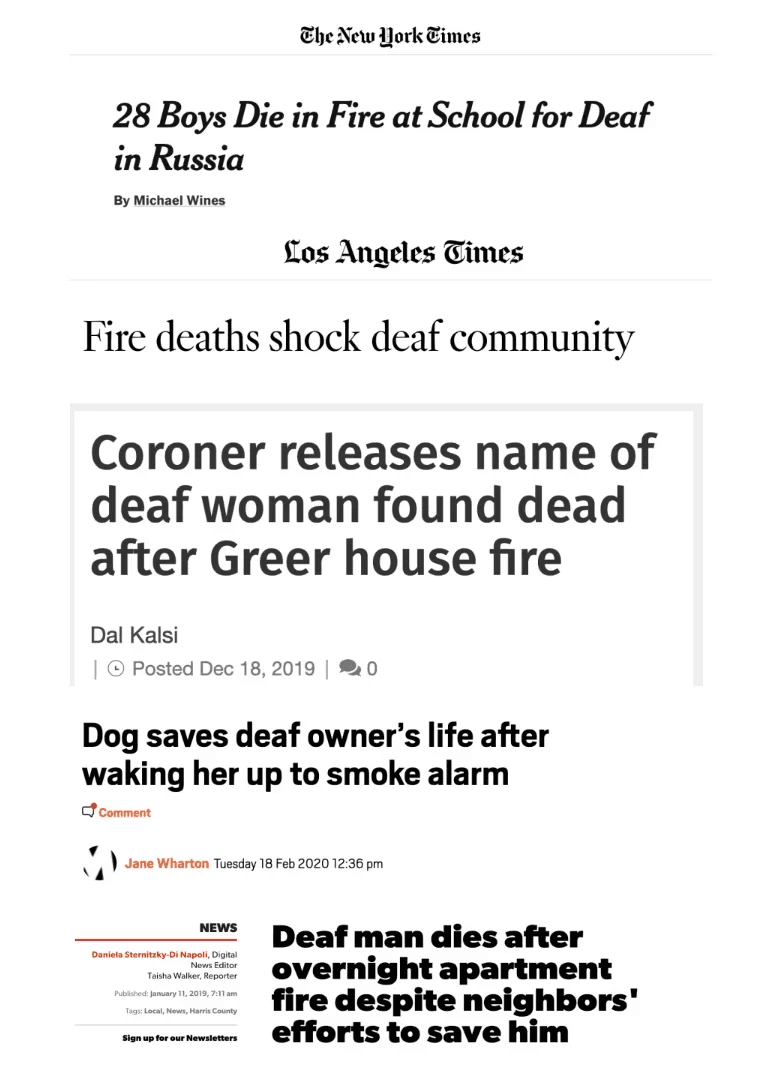
Background study we conducted to zero-in on the problem and find evidential proof
opportunity
How might we expand the concept of an 'alert' to a multisensory inclusive experience?
Design process
Conceptualization
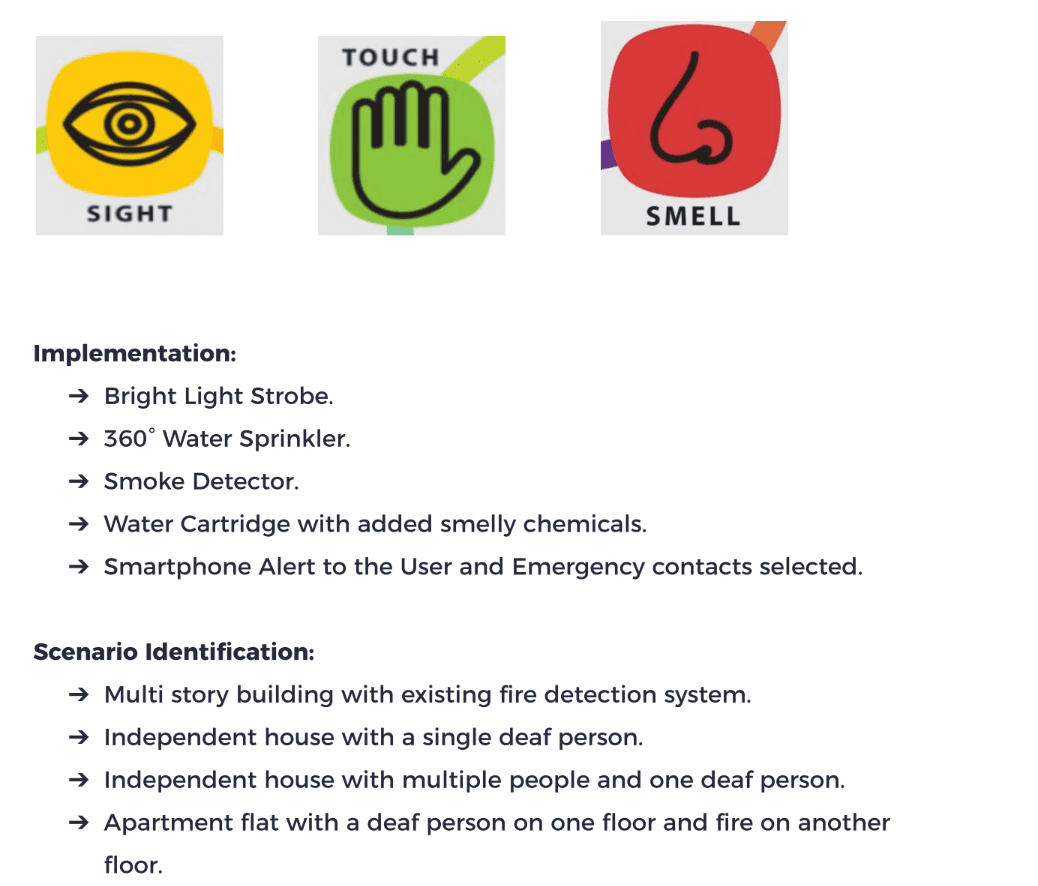
Having explored all the current solutions out there in the market addressing this problem, we conceptualized a multisensory approach towards identifying the solution. An alarm that employed more than just sound and extended to sight, smell, and touch.
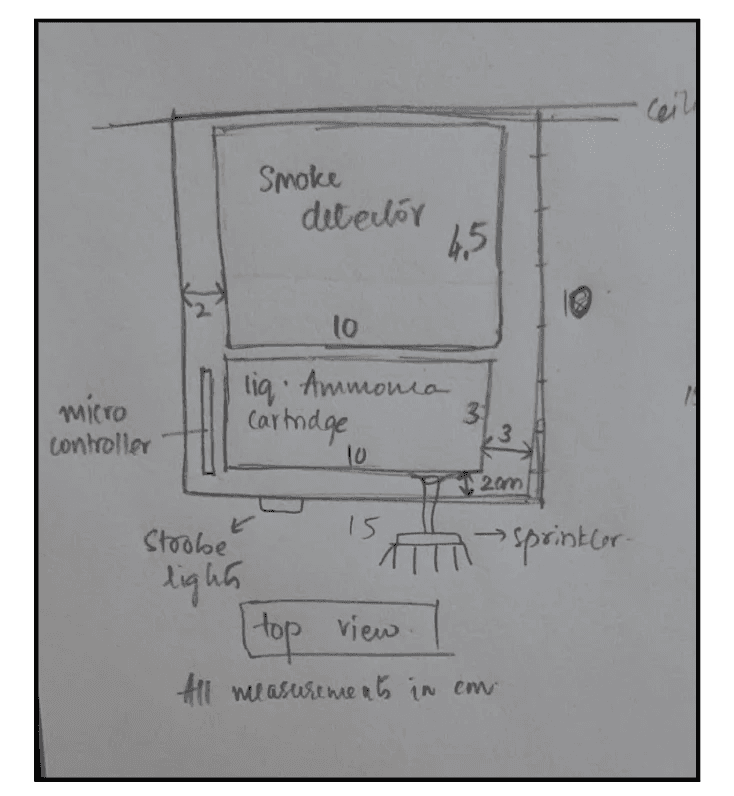
Initial Sketches
Our initial sketches explored what internal mechanisms could be utilized in a familiar box-sized form factor. We ideated multiple sprinkler mechanisms, adding haptics via microprocessors as well as a chemical cartridge to add a distinct odor alert.
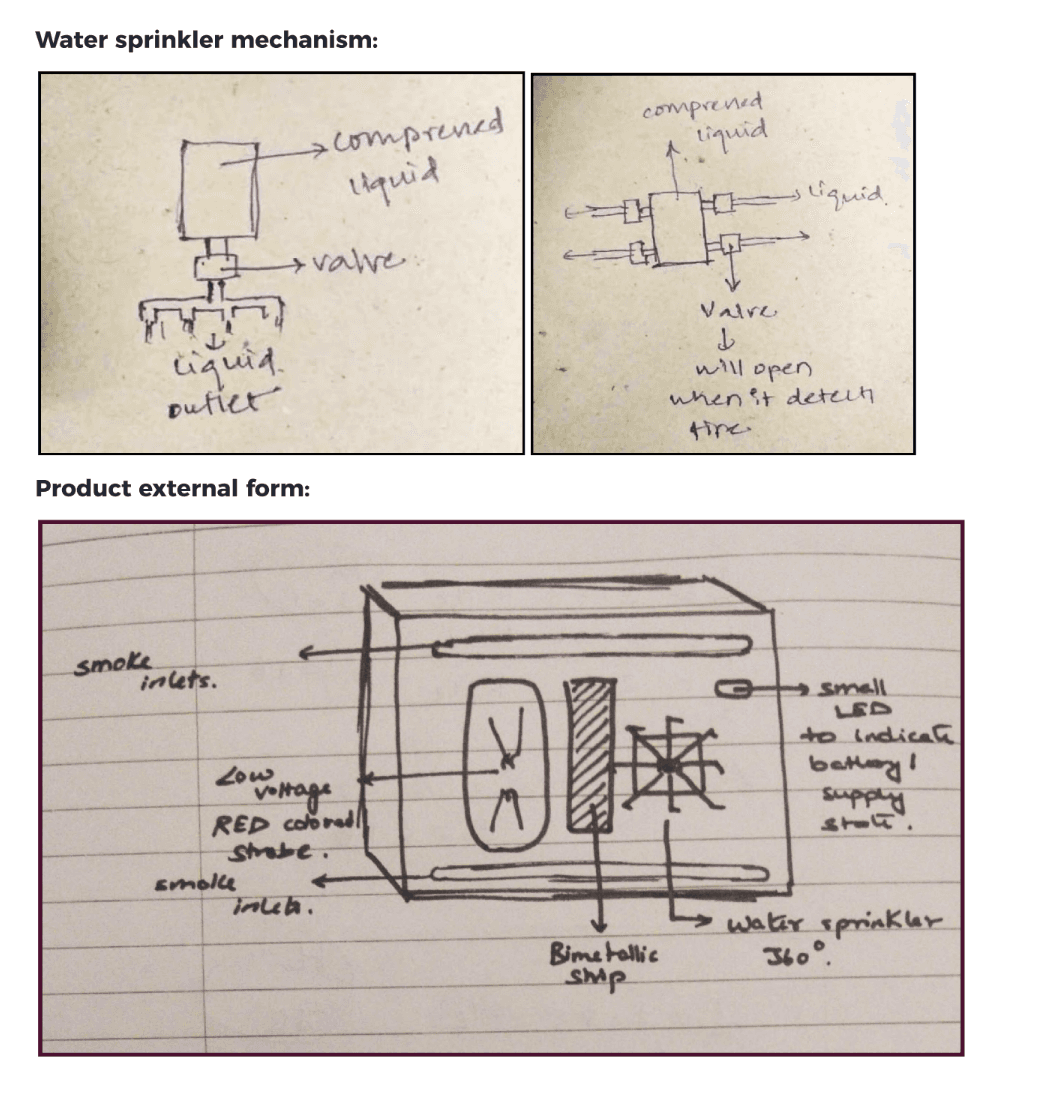
Refining the idea
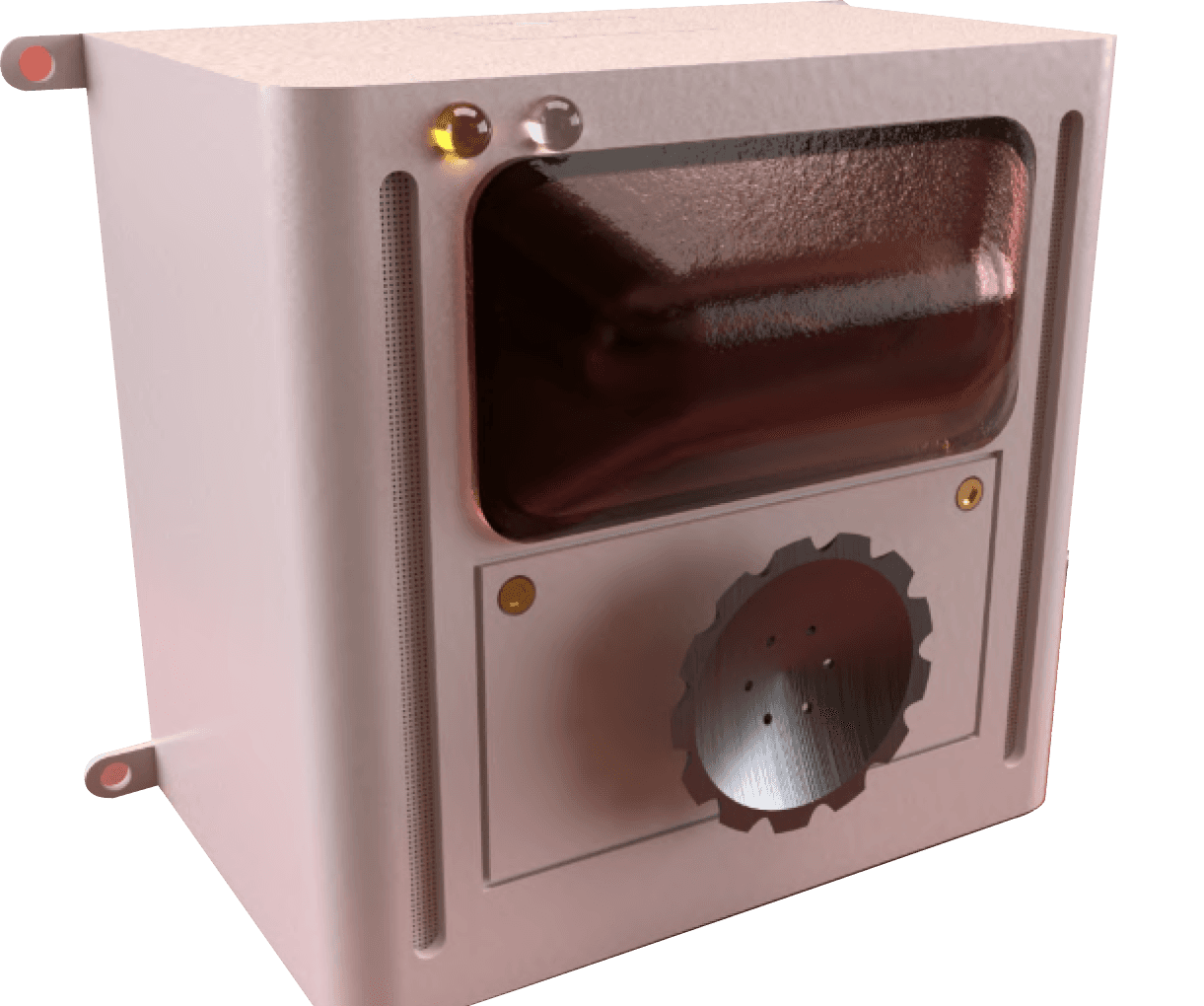
Since this was a group project with a team composing a mechanical, chemical, electrical and electronics engineer, we had ample resources to create engineering drawings and subsequently render them into a 3D model.
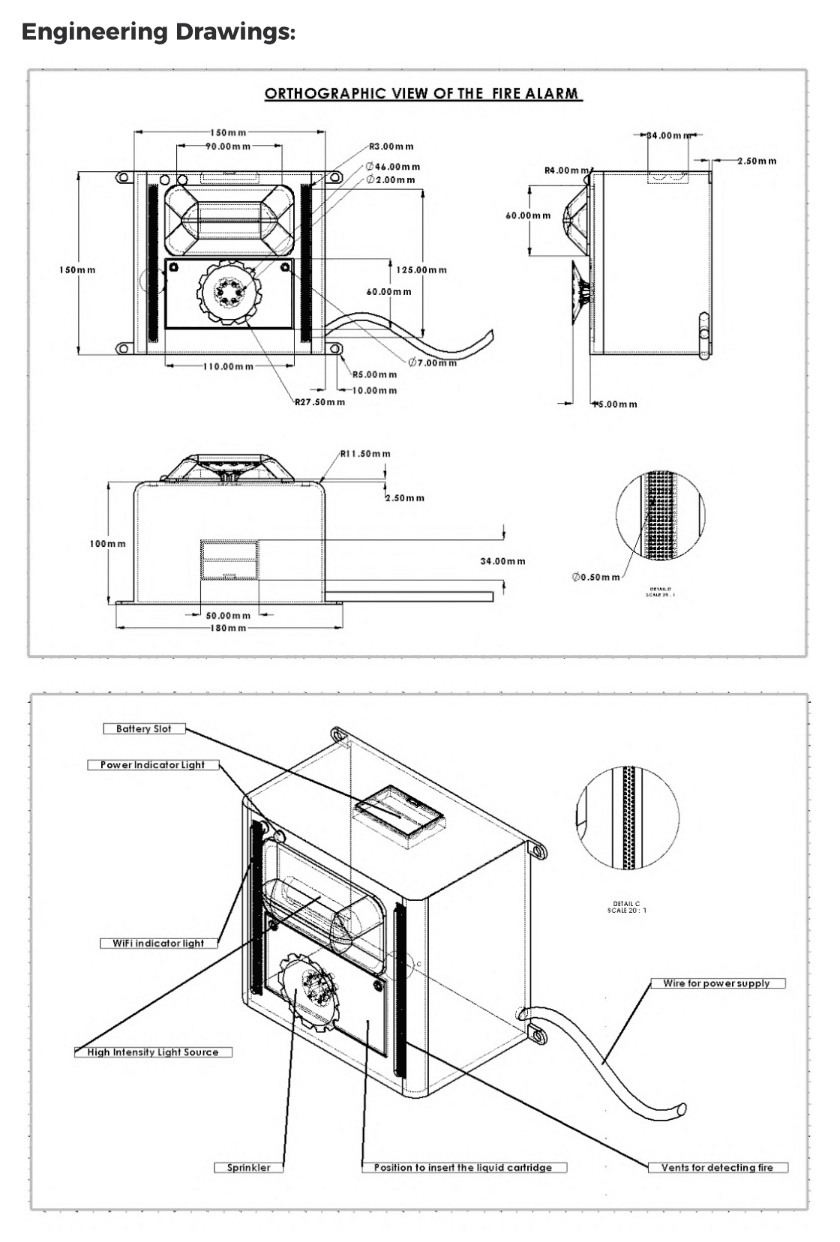
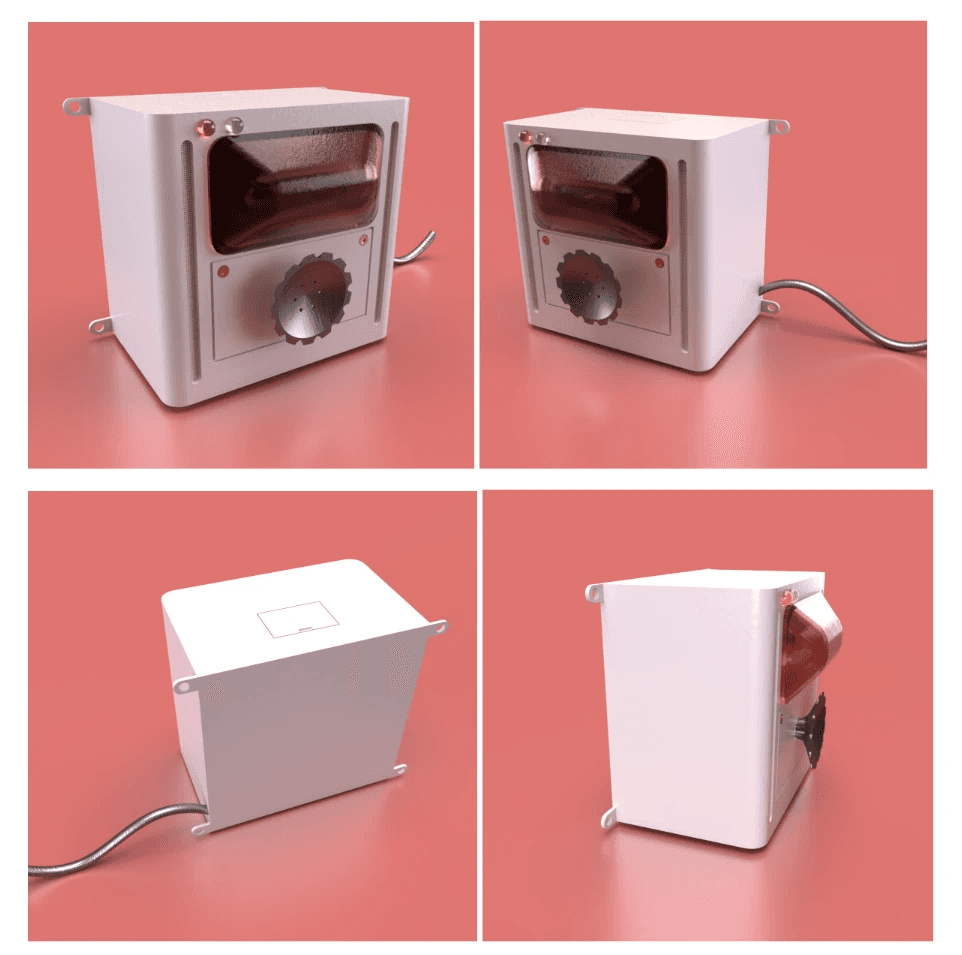
Image 1 shows the front view with the Strobe Light and the Sprinkler. The front panel opens upon unscrewing for replacing the cartridge. Image 4 shows the top view with the slot for inserting the DC battery(reserve supply).
Why Showcase This Project?
Overcoming the ‘Average User’ Fallacy: I learned to move beyond mean-based design to prioritize inclusive, multi-sensory edge cases.
Collaborative Synthesis: Navigating competing opinions in a industrial design group project to arrive at a technically viable and favorable solution.